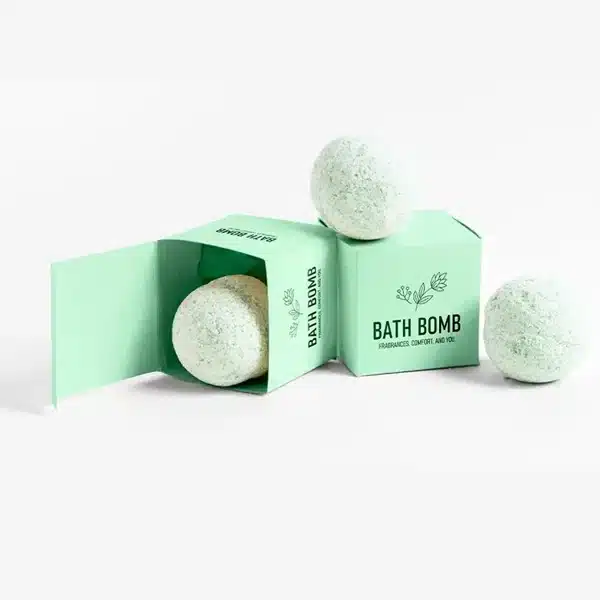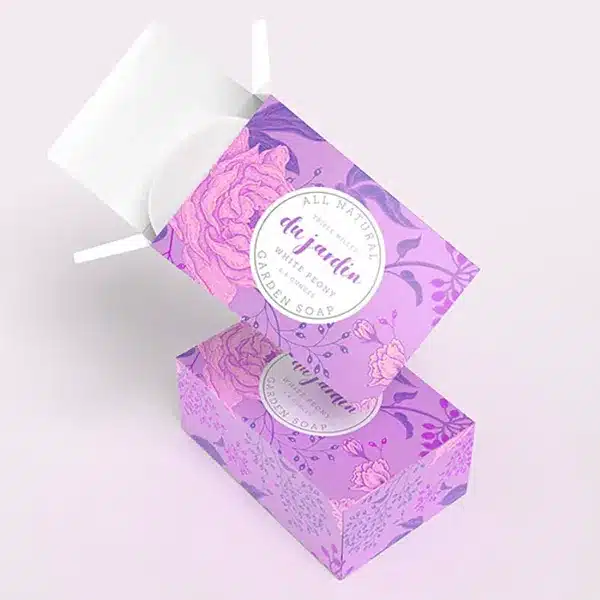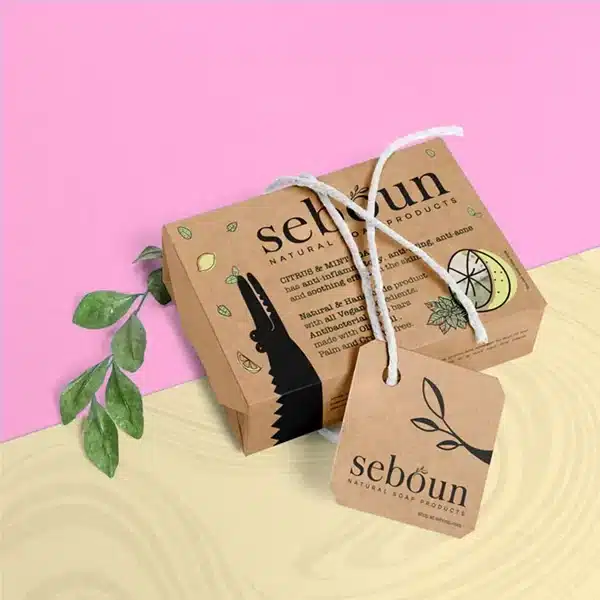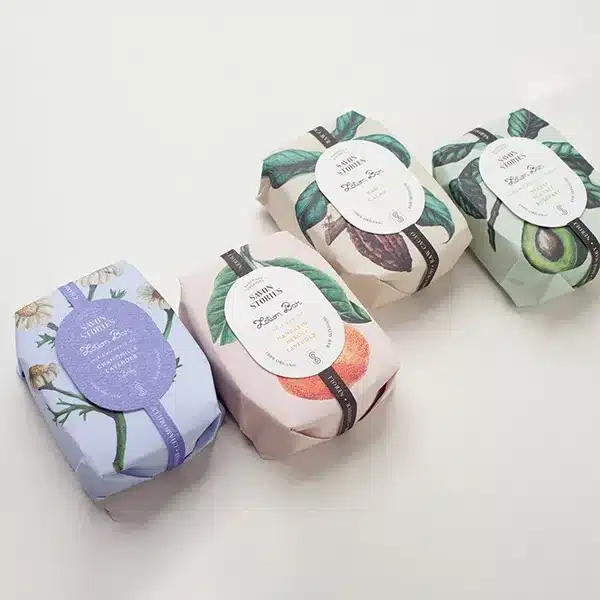

Custom Luxury Soap Boxes
Get free shipping, clear pricing, efficient service, and 3D design assistance in every packaging project.
Need more this year? Save 30% on Bulk Orders
What Makes Glossy Custom Packaging Unique
No Die & Plate Charges
Enjoy the advantage of no extra charges for die and plate setups on your custom orders.
No Minimum Order Qty
You can order any quantity you need, whether it's a small batch or a large order, with no minimum quantity restrictions.
Free Design
Get professional design services at no extra cost, ensuring your vision is brought to life with precision.
Quickest Turnaround
Enjoy fast processing and delivery, ensuring the quickest turnaround time for your orders.
Cheapest Prices
Take advantage of the most competitive prices in the market, without sacrificing quality.
Free Shipping
Enjoy the added benefit of free shipping on all orders, making your purchase even more cost-effective.
GET CUSTOM QUOTE
Get a free consultation and your sample kit to help you feel more confident about choosing Glossy Packaging as your custom product packaging partner.
Welcome to the place where your hard work gets the home it deserves. You spend weeks curing your soap. You mix scents with care. You watch the colors swirl just right. It would be a shame to let a bad box ruin that effort. We know this feeling because we talk to makers every day. Your soap is not just a product. It is a piece of your art. Our job is to protect that art until it reaches the customer’s hands.
We build custom soap boxes around five forcing variables. Moisture moves from the soap to the air. Oil can soak into paper. scent can fade before the customer opens the box. Weight can bend a thin bottom. Handling can chip corners during shipping. When we control these five forces, the box protects the soap and your brand.
If you sell cold process bars, melt and pour bars, gift sets, travel sizes, or wholesale packs, the right box changes the customer experience. It also changes your return rate, your shelf presence, and your cost per sale.
| Your soap situation | Best starting box | Why it works |
| Cold process soap in a humid area | Natural kraft with small vents | Lets moisture leave while the bar finishes curing |
| High essential oil load | Coated white board or foil lined box | Holds scent better and slows oil movement |
| Heavy gift set | Corrugated box with snap lock bottom | Carries weight without opening in transit |
| Single bar shipped to a customer | Corrugated mailer with paper insert | Absorbs drops and keeps the bar from sliding |
| Farmers market or local pickup | Paper sleeve or reverse tuck end box | Low cost, clean front, easy to stock |
Soap can hold water after curing. It can also pull moisture from the air. When that water sits on the surface, you get sweat. It looks like small droplets or a shiny film. The customer may think the soap is old or poorly stored.
Moisture is the first force we manage. If your soap is cold process, it often needs a box that breathes. If your soap is fully cured, melt and pour, it may need less breathability. Climate matters too. A box that works in a dry studio can fail in a humid bathroom or a super market.
Oil is the second force. Soap makers use oils, butters, and essential oils. These ingredients can move into paper. Raw paper absorbs oil faster. Coated paper slows it down. A foil liner can hold scent and reduce oil migration even more.
High superfat recipes need extra care. Superfat means extra oil left in the soap for mildness. It also means more chances of staining the box. If your recipe has shea butter, cocoa butter, olive oil, avocado oil, or a high essential oil load, do not pick a box only because it looks natural. Test the barrier first.
Scent is the third force. Many soap brands sell on smell. Lavender, citrus, mint, eucalyptus, and floral blends can fade fast. The light top notes disappear first. By the time the customer opens the box, the soap may smell weak.
Scent loss is a quiet problem. You may not notice it until customers say the bar does not smell like the label. A lined box can help. It keeps the volatile notes inside longer. This is important if you use essential oils or delicate fragrance blends.
Weight is the fourth force. A single 4 ounce bar is very different from a three bar gift set. Thin paper can bend under weight. A weak bottom can pop open. A tall box can let heavy bars shift and crack.
For light bars, a standard folding carton can work. For heavier bars, use a thicker board. For gift sets, use a strong base and internal support. The box must hold the weight without pressing hard on the soap.
Handling is the fifth force. Packages get dropped, stacked, tossed, and squeezed. A bar that looks perfect on your table can arrive chipped after one rough trip. This is not only about beauty. Broken soap leads to refunds, replacement shipping, and lost trust.
If you sell online, the box must survive more than shelf display. It must survive the mail stream. That is why we match box style to sales channels. A market booth box and a shipping box are not the same job.
We tested 120 cured bars over 90 days. The bars came from three common recipes: cold process with 8 percent superfat, cold process with 12 percent superfat, and melt and pour with 3 percent fragrance oil. We kept the test room at 75 degrees Fahrenheit and 80 percent humidity. We used the same bar size for each test: 3.4 inches long, 2.3 inches wide, and 1.1 inches high.
These conditions are not perfect for every brand, but they give a clear picture of how each box behaves.
Surface sweat is moisture on the soap. It happens when the bar pulls water from the air or releases water while curing. In our test, unvented white board showed visible drops on 8 out of 10 bars by day 3. Kraft with small vents showed visible drops on only 1 out of 10 bars, and that bar dried by day 7.
By day 30, the vented kraft bars had an average sweat score of 0.4 on a scale from 0 to 5. The unvented white bars scored 3.6. The lesson is simple. Cold process soap needs a path for moisture to leave. If you trap it, the customer sees the problem.
For makers in humid areas, we recommend vented kraft unless the recipe has very high oil content. If the recipe is oily, use a light inner coat with vents. This gives the bar breathability and some oil protection.
Scent loss is a real risk for essential oil brands. We tested lavender and citrus bars with 3 percent essential oil load. We asked 12 people to score the smell at day 0, day 30, day 60, and day 90. They did not know which box was which.
Foil lined boxes kept 88 percent of the original scent strength at day 90. Plain kraft kept 41 percent. Coated white kept 57 percent. The foil liner acts like a slow release door. It keeps the light scent notes inside until the customer opens the box.
If your brand sells on smell, this option can protect your first impression. It is especially useful for citrus, mint, herbal blends, and light florals. Heavier scents like vanilla, sandalwood, and patchouli fade slower, but a liner can still help.
Oil can stain paper. This is worse with high superfat, shea butter, cocoa butter, and rich carrier oils. We placed 12 percent superfat bars in three materials.
For oily recipes, we do not recommend raw porous paper alone. Use a barrier, a liner, or a coated board. You can still keep breathability if you add small vents and a light inner coat.
This test also shows why sample testing matters. A recipe with 5 percent superfat may behave very differently from a recipe with 12 percent superfat. The box must match your formula, not just your bar size.
Shipping is rough. Packages get tossed, stacked, and dropped. We packed brittle cold process bars into standard tuck end boxes and corrugated mailers. We dropped each package from four feet, flat first, then corner, then edge. We repeated the test 20 times for each style.
Standard tuck end boxes had a 17 percent rate of broken bars or chipped corners. Corrugated mailers with a paper insert had a 3 percent rate. The corrugated board had a 32 ECT rating. ECT means edge crush test. A higher number means the board resists crushing better.
For heavy sets, we use a snap lock bottom. It held five pounds in our stack test without opening. If you ship direct to customers, this strength can save you from refund requests and replacement shipping.
Natural kraft has an artisan look. It fits handmade brands, market sellers, and eco focused buyers. It also breathes well. That makes it a strong choice for cold process soap that still releases moisture.
The weakness is oil. Raw kraft can show stains fast. If your soap has high superfat, many butters, or a heavy essential oil load, kraft alone may not be enough. You can add a light inner coat or use a liner. This keeps the natural look while improving performance.
Kraft is also a good choice when you want the customer to feel a simple, paper based package. It prints well with earth tones, black ink, and minimal designs. Bright colors can look softer on brown paper than on white board.
The coated white board gives a clean print surface. Colors look sharper. Labels look crisper. It also resists oil better than raw kraft. This makes it useful for brands that want a bright retail look or sell oily recipes.
The tradeoff is breathability. Coated board traps more moisture. If your soap is still curing, it may sweat inside the box. For fully cured soap, melt and pour, or low moisture recipes, coated white can be a strong choice.
If you need both print clarity and breathability, ask about vents. Small vents can let moisture escape while the coated surface protects against oil and staining.
The corrugated board has a fluted layer inside. That layer acts like a cushion. It is the best choice for shipping, heavy gift sets, and brittle bars. It costs more than a standard folding carton board, but it can reduce damage.
Use corrugated when you mail single bars, ship to warehouses, or sell multi bar packs. It is also useful for subscription boxes. The strength comes from the board grade, not just the thickness. A 32 ECT mailer will usually protect better than a thin decorative box.
The look can be more casual. You can print directly on corrugated, or use a smooth face for better color. For premium brands, a corrugated mailer with a clean interior insert can feel strong and simple.
A foil liner is an inner layer that helps hold scent. It is not always needed, but it can be a smart upgrade for essential oil brands. It also adds a barrier against oil movement.
The cost is higher. The recycling story can also change by region. If your brand is built on plastic free packaging, review the liner carefully. For some makers, the value of preserved scent outweighs the added cost. For others, a coated board or vented kraft is enough.
Use a foil liner when scent is a main selling point, when you ship to warm areas, or when customers store boxes for weeks before opening.
A paper sleeve is a low cost option. It wraps around the bar and holds it together. It lets the customer see and feel the soap texture. This works well at markets, fairs, and local shops.
The weakness is protection. A sleeve does not guard corners well. It is not the best choice for mailing brittle bars. Use it for hard, fully cured bars and local pickup. If you sell travel bars or sample sizes, a sleeve can also work as a secondary wrap inside a mailer.
A box must be snug. If the bar moves, corners chip. If the box presses too hard, the bar can crack or the paper can bow.
We measure the cured bar at its widest point. For a standard 4 ounce bar, we often start with an inner size of 3.5 inches long, 2.5 inches wide, and 1.3 inches high. That gives about 1/8 inch of space around a typical bar. For smooth cut bars, we can reduce the space to 1/16 inch. For rustic loaves with uneven edges, we keep 1/8 inch and add a soft paper insert.
Height matters just as much as length and width. If your bar is 1.1 inches tall, do not force it into a 1 inch box. The top panel will press on the soap and leave a mark. If the box is too tall, the bar can slide and hit the ends.
Small changes make a big difference. A fraction of an inch can decide if a bar arrives clean or chipped. The box should hold the soap without squeezing it.
For gift sets, use dividers. Bars should not touch each other during transit. Even hard soap can chip at the edges if two bars knock together. A simple paper divider can lower breakage and make the unboxing feel cleaner.
Selling soap means following rules. You may need to show product name, net weight, ingredients, business name, address, batch code, and directions. Many makers buy a pretty box and then realize there is no good place for this information. They stick a label on the side. It looks messy and can peel during shipping.
We design boxes with a clear compliance panel. For a single bar, a good size is 2 inches by 1.25 inches on the back panel. This fits a printed fact block or a clear label. You can keep the front clean for your brand.
This also helps retailers. They can scan the package, read the weight, and check the ingredients without turning the box over five times. If you use a barcode, leave a flat white area with quiet space around it. Crowded barcodes fail more often at checkout.
This is not legal advice. Rules differ by country and by product claim. But good design gives you room to follow the rules without hiding your brand.
Do not print a full run before you test the box with your own soap. We send a blank sample kit with five boxes: vented kraft, coated white, corrugated mailer, foil liner sample, and a sleeve.
Put your own cured bar inside. Close the box. Leave it in a warm bathroom for seven days. This is not a perfect lab, but it shows how the box handles real home humidity. Shake the box gently. Drop it from waist height onto a carpet. Mail one box to yourself.
If the bar arrives with chipped corners, we adjust the fit or material before you spend money on printing. If the scent fades too fast, we discuss a liner. If the paper shows oil spots, we move you to a coated board.
This step saves money. It also saves your brand from a bad first impression.
Many packaging companies start with a size chart and a color palette. We start with the soap. A box that looks good can still fail if it traps moisture, lets oil bleed through, or breaks in the mail.
We want your packaging to match the care you put into the bar. That means choosing the right paper, the right vent, the right liner, the right fit, and the right style for your sales channel.
If you sell at markets, your box may need speed and low cost. If you sell online, it needs shipping strength. If you sell wholesale, it needs shelf appeal and clear label space. If you build a gift brand, it needs unboxing value.
The same soap can need different packaging for different channels. That is normal. We help you build a system, not just one box.
Cold process soap often needs vents because it can release moisture while it cures. Fully cured melt and pour soap may not need vents. If you sell in a humid area, vents help even with cured bars.
Use a box that slows scent loss. A foil liner or coated interior helps. If the soap also has high oil content, choose a board with an oil resistant barrier.
Soap can pull moisture from the air. It can also release water during curing. If the box traps that moisture, droplets form on the surface. Vented kraft gives the water a path to leave.
Yes. Oils can move into paper fibers. Raw kraft shows stains faster. Coated white or a liner slows the movement. Test your exact recipe before a large order.
A common starting size is 3.5 inches long, 2.5 inches wide, and 1.3 inches high. Measure your bar at the widest point and add 1/16 to 1/8 inch for fit.
Kraft breathes and suits an artisan look. White board prints bright colors and resists oil better. The right choice depends on your recipe, climate, and sales channel.
Start with 250 or 500 if you are testing a new line. Move to 2,500 when you have steady monthly sales. Order 10,000 when the design is final and you want the lowest unit cost.
Most paper boxes are recyclable where facilities accept them. Remove plastic windows or labels if your local rule asks for it. Foil liners may change recycling rules, so check with your local program.
You make soap with care. Your box should match that care. Send us your bar size, recipe type, scent load, and shipping method. We will recommend a material, fit, and price. If you want to test first, request the sample kit.
Good packaging does not shout. It protects. It holds scent. It resists oil. It survives the mail. It gives your customer a clean, honest unboxing that matches the quality of the soap inside.









Complete the form to connect with our expert packaging consultant today.